Spectacular images of prestigious Insight Investment of Astronomy photographer for the year of 2019 has revealed by the Royal Observatory Greenwich.
Photographers from 90 countries over 4,600 entries were captured to win the title of Astronomy Photographer of the year 2019 with the prize money of £10,000 ($12,500). The judges had an overwhelming task to select an image for a winner, runner up, and much-admired category of Robotic Scope. Luckily for Sir Patrick Moore prize for Best newcomer category judges selecting two.
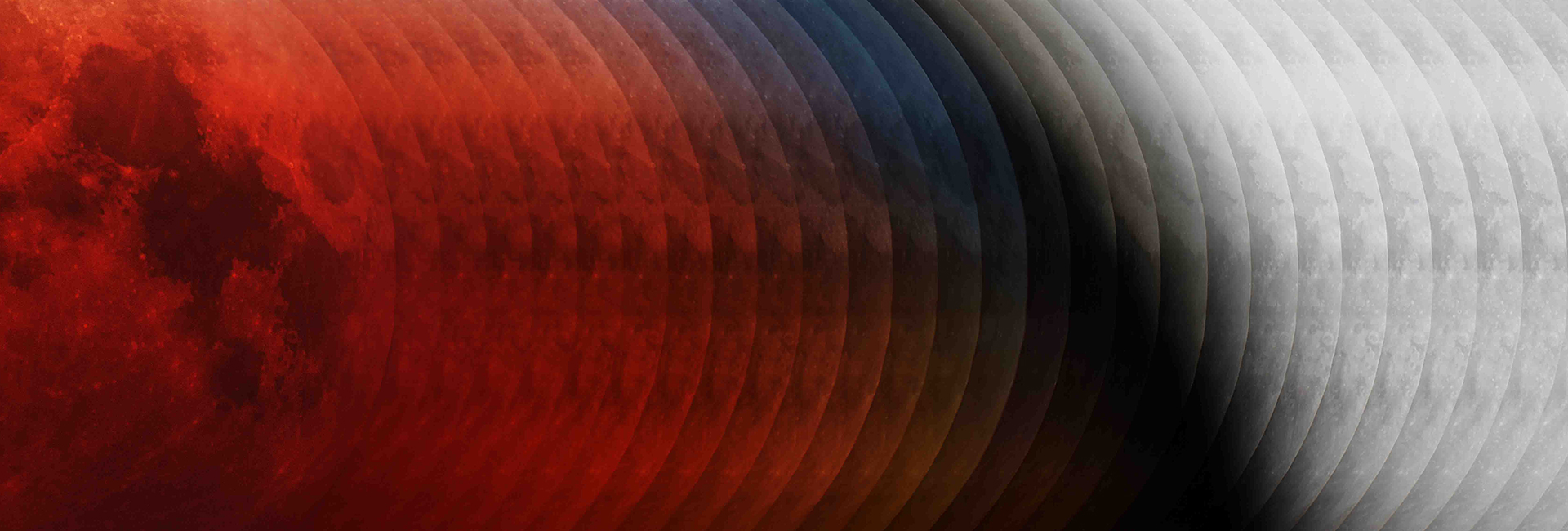
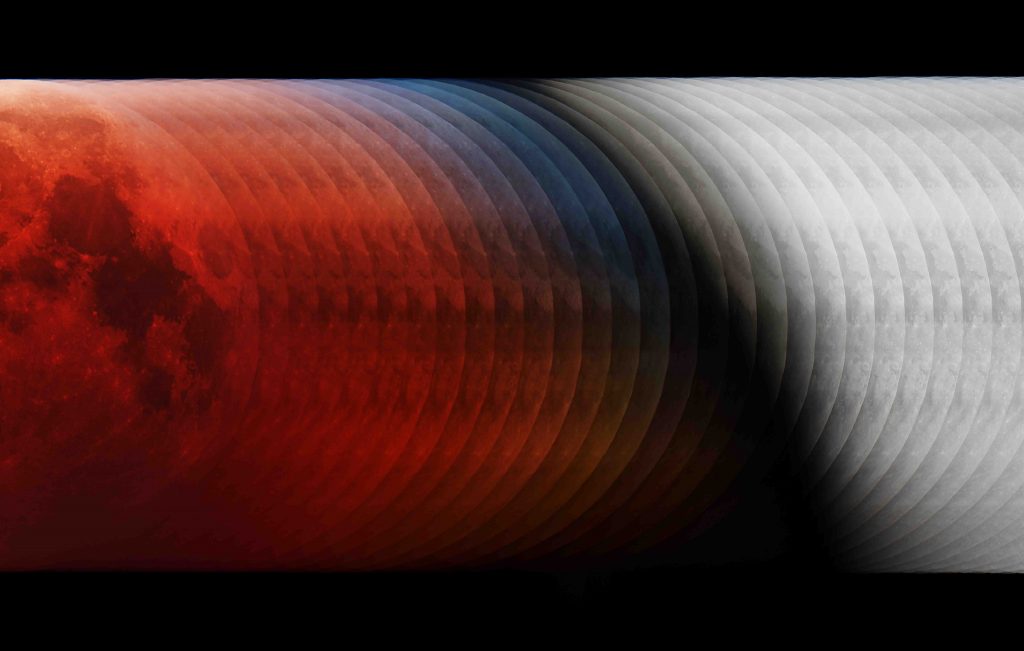
Hungarian photographer László Francsics is the winner of Insight investment of Astronomy photographer for the year of 2019. His image ‘Into the Shadow,’ depicts the 35 phases of the total lunar eclipse that occurred on 21 January 2019.
All the description is courtesy of the Royal Observatory Greenwich.
The Winner - Into the Shadow
For a single multiple-exposure image to capture this event with such positional precision, creative innovation and beauty is nothing short of masterful. The colours of our atmosphere projected onto the Moon’s disc during the eclipse are not only artistically pleasing, but also offer an understanding of such events and can reveal aspects of our own, thin, yet essential atmosphere. In a year that celebrates 50 years since the first lunar landings, is it fitting that this year’s overall winning image captures such a dynamic and captivating view of the Moon. A worthy winner indeed. Ed Robinson, award-winning photographer, director, creative director and founder of OneRedEye Visual Communications
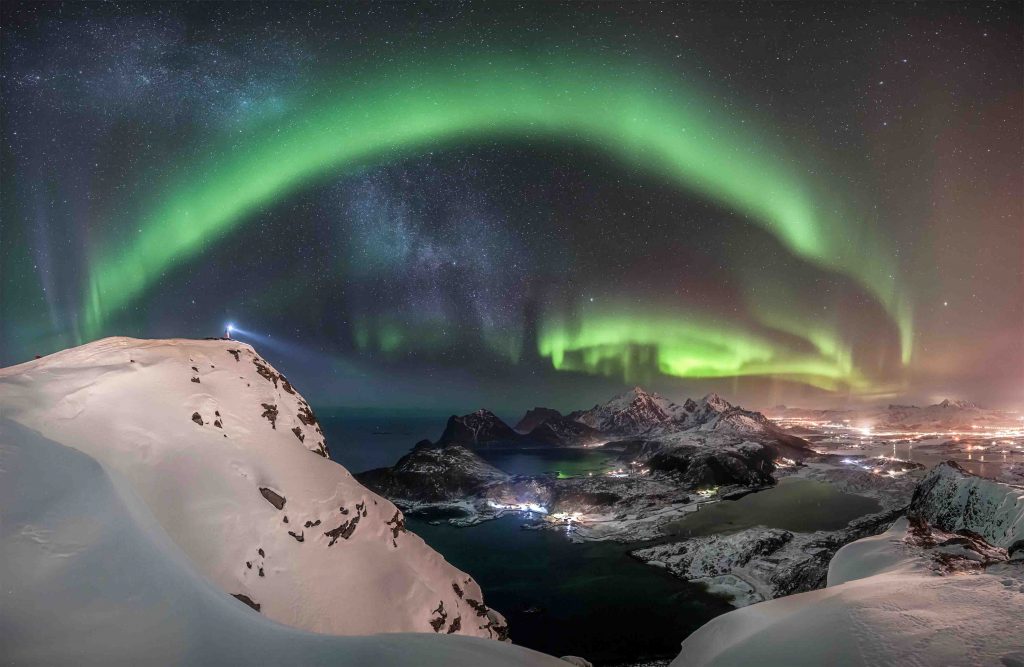
Aurorae Winner - The Watcher
If an image is worth a thousand words, this one definitely encompasses that. The amount of elements to explore in this frame is impressive. Even more impressive is the way the elements come together in a balanced composition: the Milky Way arch above intersects with the aurora and the human presence points towards the landscape below, which puts up a light show of its own. I especially liked spotting the footprints in the snow Oana Sandu, Community Coordinator for the European Southern Observatory
Stars and Nebulae Winner - Statue of Liberty Nebula
This is simply exquisite! I love the pastel aquamarine and rosy hues, the delicate wisps of gas and dust, the finely drawn features of the nebula. Melanie Vandenbrouck, Curator of Art at Royal Museums Greenwich
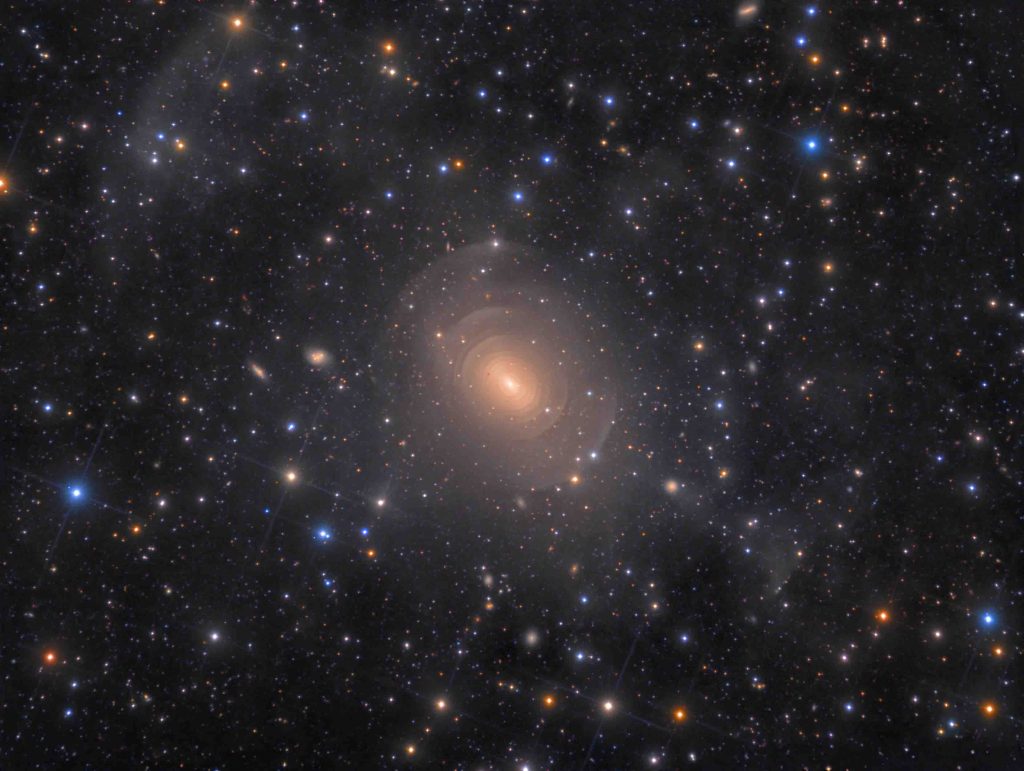
Galaxies Winner - Shells of Elliptical Galaxy NGC 3923 in Hydra
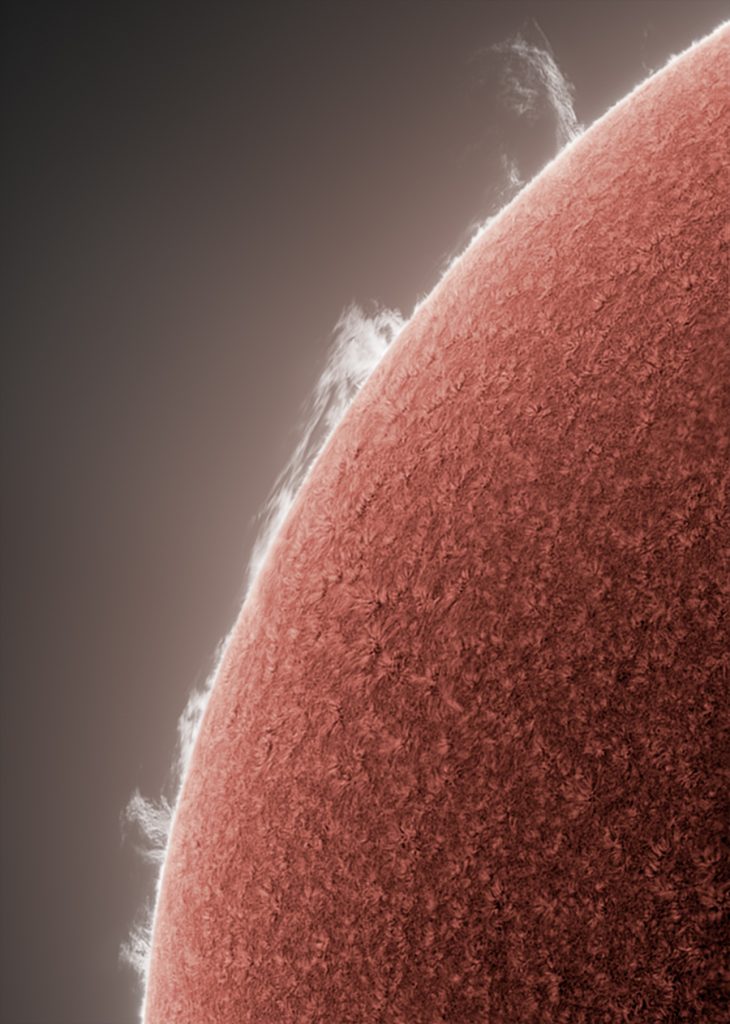
Our Sun Winner - A Little Fireworks
Being used to images from space-based telescopes such as the NASA/ESA Hubble Space Telescope or ground-based images such as those of the European Southern Observatory (ESO), I often get the jaw-drop effect seeing such detailed deep-sky images coming from much smaller telescopes. This is definitely one of those cases. Oana Sandu, Community Coordinator for the European Southern Observatory
This image presents a view of the Sun infrequently seen. It reminds me of images viewed through a microscope rather than a telescope. Taking something as huge as our star and presenting it in such fine detail as if observed under the microscope is a real feat of photography. Oana Sandu, Community Coordinator for the European Southern Observatory
People and Space Winner - Ben, Floyd & the Core
Cloud cover doesn’t always scupper astronomy. It can complement and frame the sense of awe so long as it keeps in the right place, as captured here. Jon Culshaw, comedian, impersonator and regular guest on The Sky at Night
Planets, Comets and Asteroids Winner - Death of Opportunity
This is a brilliant sequence that not only communicates the all-consuming, Mars-wide scale of the dust storm, but also represents a poignant epitaph for the Opportunity rover. What incredible science it has given us. Opportunity will lie dormant for a time until a future Martian museum displays the plucky rover, alongside Beagle 2, Viking and all the others, for future settlers to observe with gratitude and amazement. Jon Culshaw, comedian, impersonator and regular guest on The Sky at Night
Robotic Scope Winner - Infrared Saturn
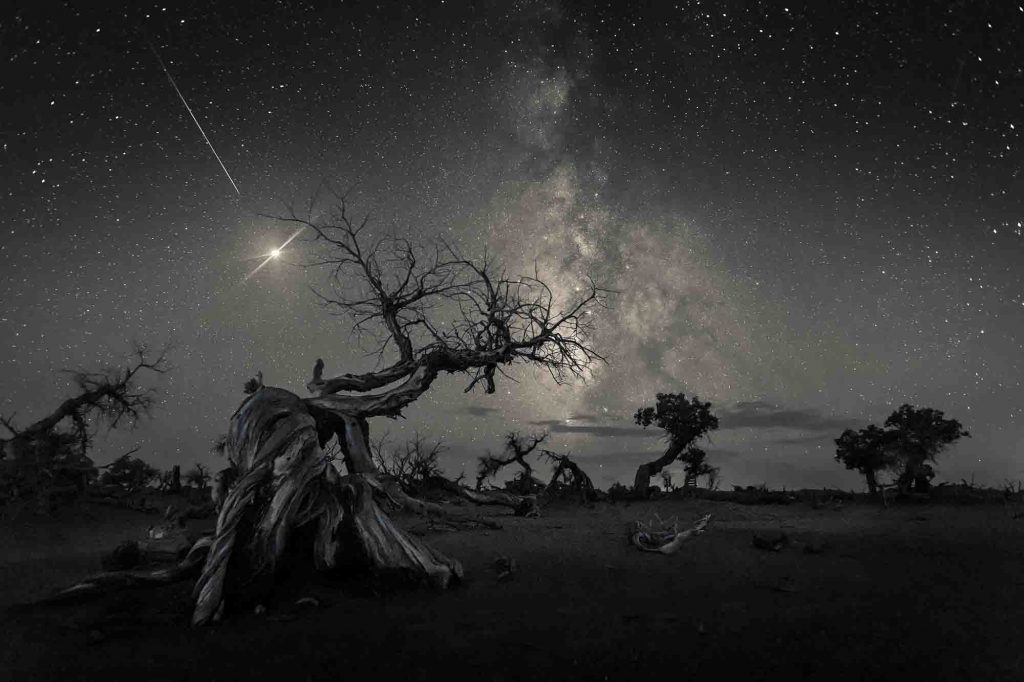
Skyscapes Winner - Across the Sky of History
I was immediately struck by the surrealist quality of this image. There is a calmness about the scene but also a great strength in the twisted form of the dead tree reaching out, both towards the Milky Way and the falling meteor, making a powerful connection between the Earth, near sky and deep sky. The tonal quality and range emphasize the detail, which I can easily lose myself in for quite some time. Mandy Bailey, Astronomy Secretary for the Royal Astronomy Society
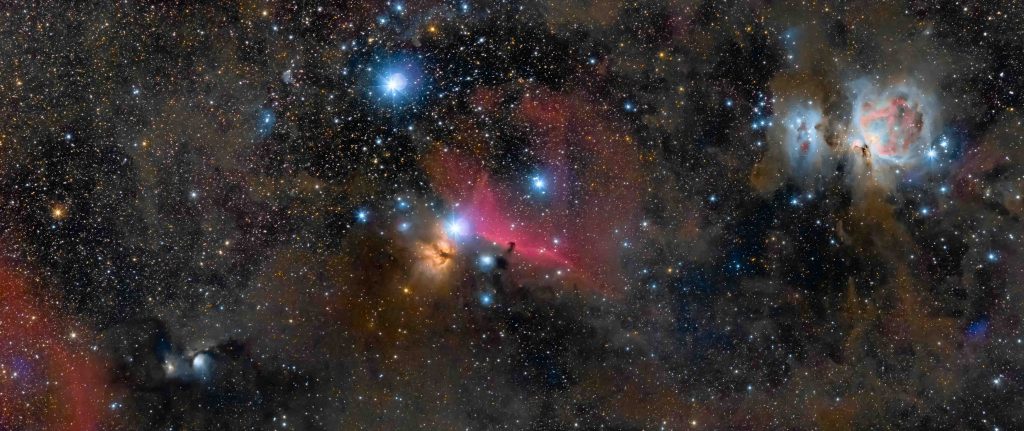
The Sir Patrick Moore Prize for Best Newcomer Joint Winner - The Jewels of Orion
A familiar target is made wonderfully vivid by a careful study of the most cutting-edge astrophotography methods. Even with modest equipment this photographer shows tremendous aptitude for the art form. Tom Kerss, astronomer at the Royal Observatory Greenwich
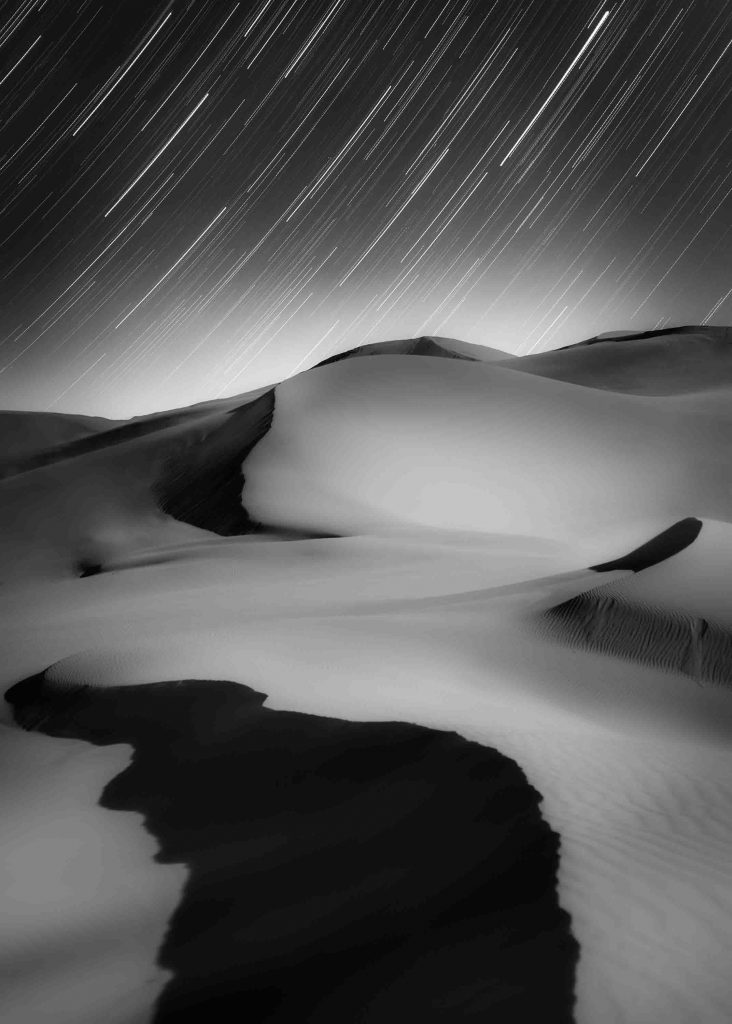
The Sir Patrick Moore Prize for Best Newcomer Joint Winner - Sky and Ground, Stars and Sand
There is so much to enjoy about this picture: moonlight bathing the dunes in its silvery glow; the dramatic shadows seemingly sculpting the sand into cliffs and ravines; and the meeting of cosmic time and geological time. Melanie Vandenbrouck, Curator of Art at Royal Museums Greenwich
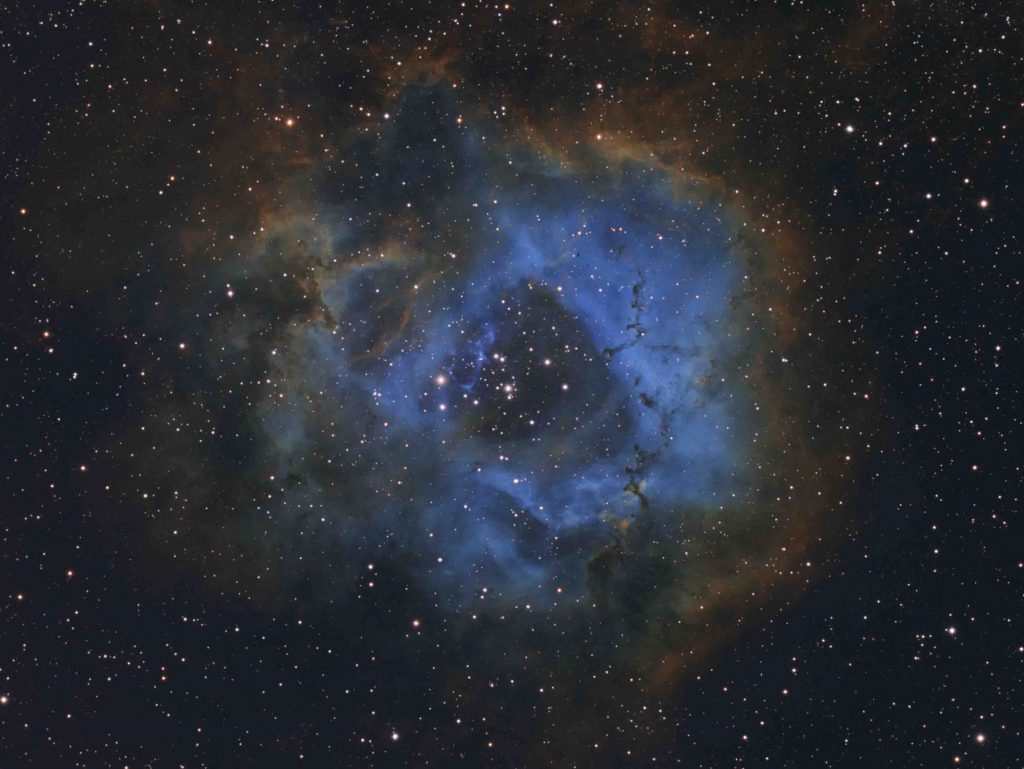
Young Winner - Stellar Flower
This shot was my favourite in the category. The quality and detail of the final image are simply stunning considering the limited experience photographers in this category have. If 11-year-olds are so interested in space, and are willing to put in the time and effort to produce such images, I can only be optimistic, not just about the astronomy of the future, but science and technology in general. Well done! Oana Sandu, Community Coordinator for the European Southern Observatory
VUE congratulate all the incredibly talented much-admired photographers.
Credits: All photos used courtesy of the Royal Observatory Greenwich.