

Now the title looks and sounds like a kick starter of Romantic Novel isn’t it? When you do romance with someone you love, you tried your best to understand that person. You spend quality time with that person and always try to make memories out from that quality time. The same goes with camera shutter.
Well I am not going to talk deep technical aspect of the shutter in the camera which we all know like its part of the exposure triangle and blah blah blah ….. So what Shutter is actually?
Before I start sharing my thought and tell you about shutter in any fit and form, I like to share some thoughts first which I believe is mandatory to understand and these thought make this article possible. This quarantine time is really helping everyone of us to look our lives in entirely different way. And that includes to look our daily life routine not only differently but also opening our mind as a photographer towards the different aspects of photography that helping us to look more and beyond what we use to see through viewfinder of the camera before Covid-19.
Let's Get little Techie
I am quite confident that everyone who owns a camera not only heard the shutter sound but also know its technical feature about it like what it does. In case if they do not, then still for sure, they heard the sound of it when they used it at any point in time. Technically speaking, Shutter is nothing but is based on 2 curtains knows as Front/Rear (AKA 01st and 02nd curtain), which cover the entire area of the digital sensor. They are nothing but thin wafer-like paper blades made of Teflon for long-lasting usage. Any camera shutter blades are the most fragile part of the camera. Did you think that it was a digital sensor?
When you press the shutter release button on top of your camera, many operations happen inside of the camera. Allow me to mentioned them in sequential order.
- Lens sets the aperture opening inside the lens depending on what setting you did inside the camera or on the lens itself in case if its old legacy.
- Front/01st shutter curtain, which covered the whole digital sensor, opens and exposes the digital sensor for the light, which were allowed to pass through the lens in a specific quantity identified by the aperture of the lens.
- When the Front/01st shutter curtain opens, the light starts to fall on the digital sensor, and a timer started, which is based on the shutter speed you set. This timer can vary from several milliseconds all the way to hours and hours.
- One’s shutter time is up, which you set, the Rear/02nd curtain follows the same path of the Front/01st curtain. Still, this time, it covers the whole digital sensor back like before you click and who assembly shutter assembly blades reset back to the original. Below is a simple shutter assembly operation for one single shot.
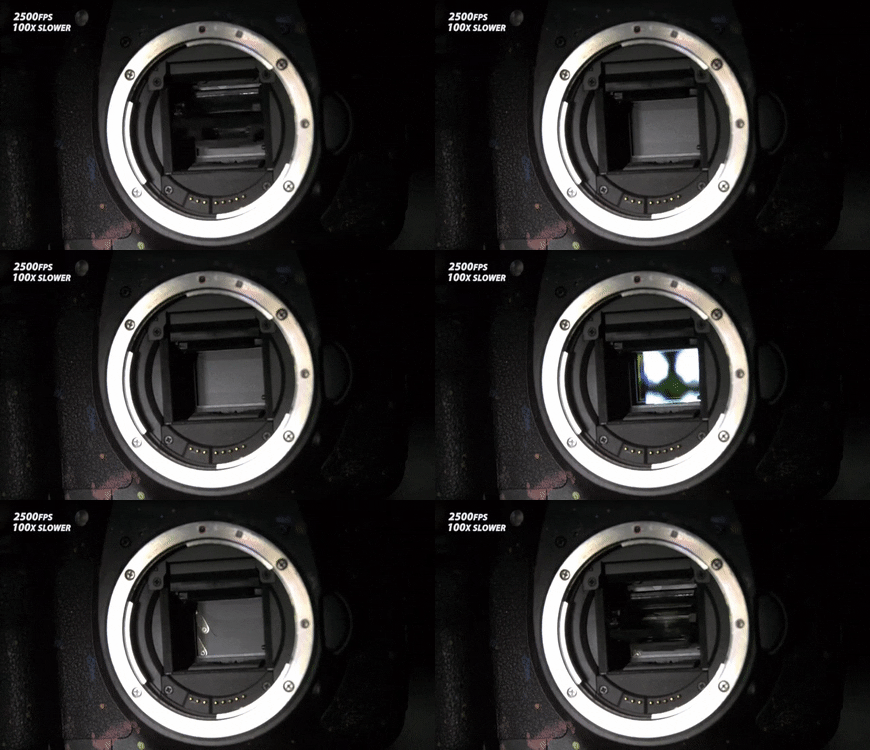
Hope you guys able to understand the basic shutter operation by now. Ok, enough with the technical things. This is not the agenda of this blog, but I still put some technical stuff to make things understand if needed.
How to Romance with Shutter?
Over some time, I observed many world-class photographers work who not only inspired the whole wide world with their work but also build up a legacy of their own. Among those photographers, my all-time favorite is Joe McNally. I did attend many of his workshops online and also in-person a couple of times where he displayed his work. He is a master of Flash Photography and also used light to make stories in a visual form. He literally builds a light from scratch step by step until he reaches his visualization.
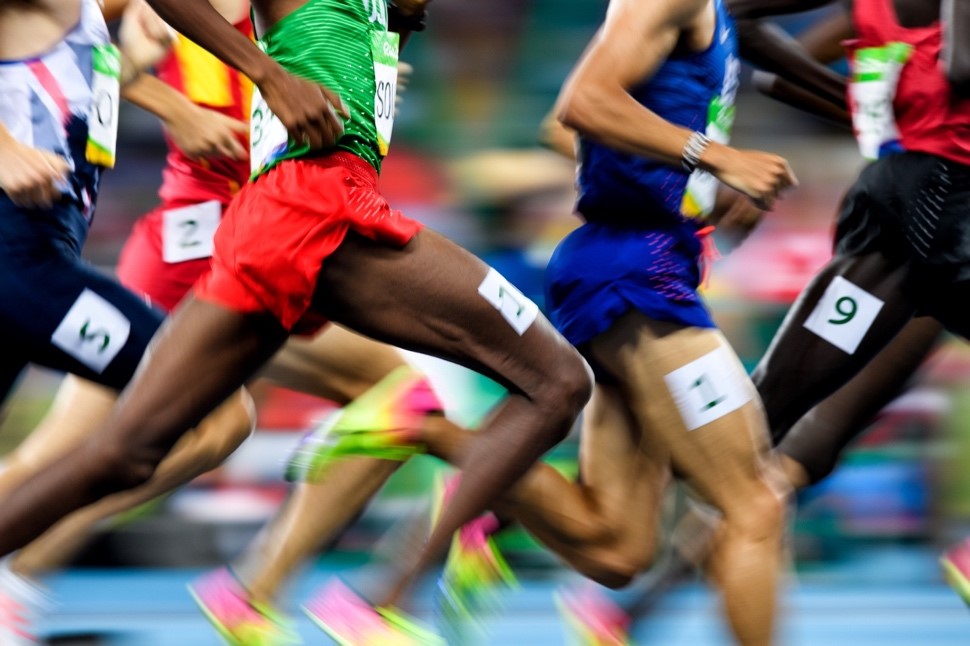
Not ones but multiple times, he explained in his workshops how he uses shutter speed to show motion. Now, how you use shutter speed to show motion? Typically shutter speed freezes the motion right! In a football match, someone is about to score the goal. We clicked at 1/4000 shutter speed to capture his iconic action kicking the ball, or perhaps capturing ballerina dancer who is spinner around her access like at the speed of 10,000 RPM. We need higher shutter speed for such shots right. But when he showed me his example, I was blown away. What he did was, he just SLOW down the shutter speed. Check below image how he captured the sense of motion by playing with Shutter Speed only. He simply slows down the shutter speed enough to make the runner start getting blur. Any motion blur in the frame is a strong representation of the sense of motion. You can read the whole blog using this link from where I get this image.
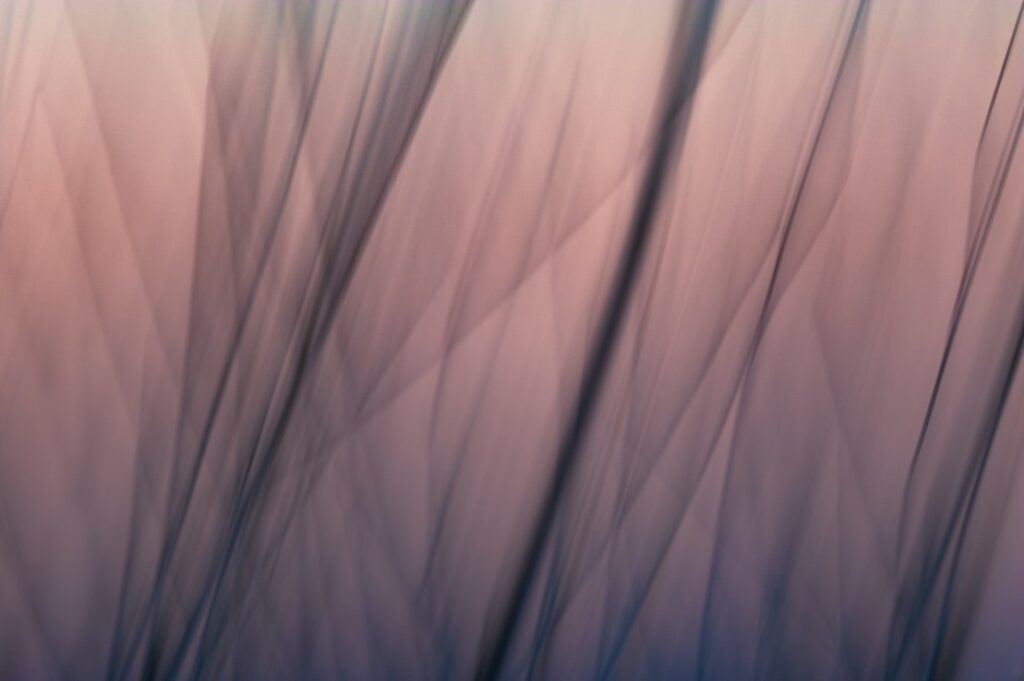
After learning these tips and aesthetic taste of photography from Joe McNally and many other world-class photographers, I tried to do my own stunt. I tried to create a painting like images using colors and with camera motion with the help of a shutter dragging technique. Shutter dragging is a common technique which many photographers use to create different types of visual effects. Most of the time, photographers keep the camera static and use subject motion to create visual effects. Here in the below examples, I did the opposite. I kept the subject static and move the camera.
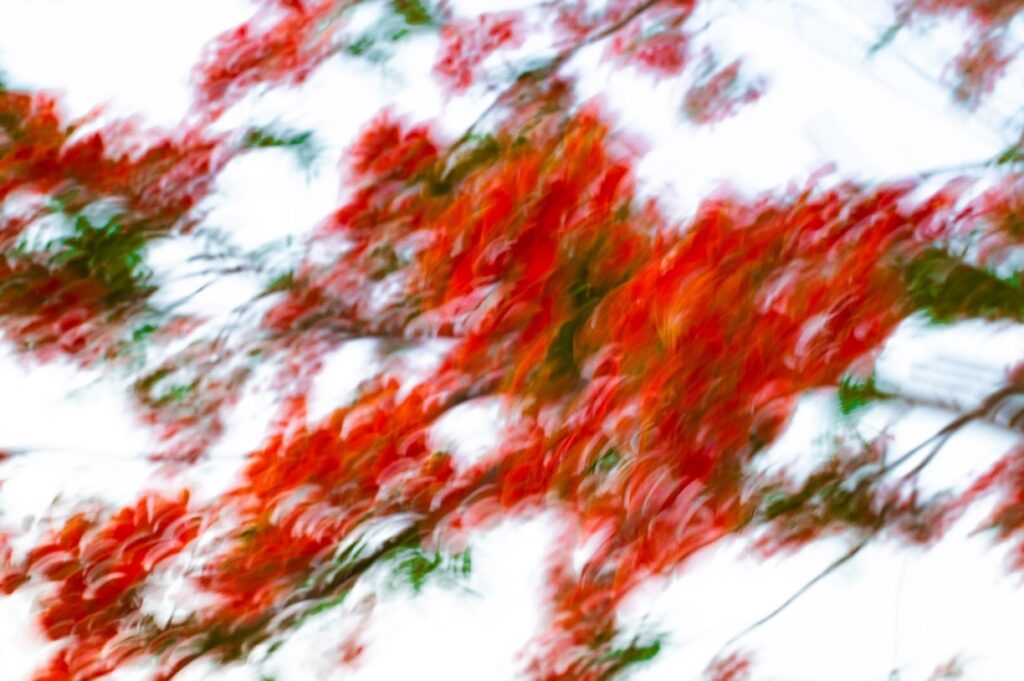
That last image above is very dear to me. I call it Red Dragon. Before I took this image, I was literally standing and staring at the flowers on the tree for a few minutes and trying to absorb its beauty through my eyes. By looking at the image and seeing the Red color dominance, to me, it triggers the emotion of doing something in this world unprecedented. If I would be taking the same flower shot at 1/125 of a second that feeling of dominance won’t be there.
Now to some people, the term I used above “Shutter Dragging” might be new. What is shutter dragging? It is nothing but slowing down the shutter speed too much that things start appearing to drag into the frame. Like you shoot some motion somewhere between shutter speed ½ ~ 1/10. Again, shutter speed may vary depending on what you are shooting.
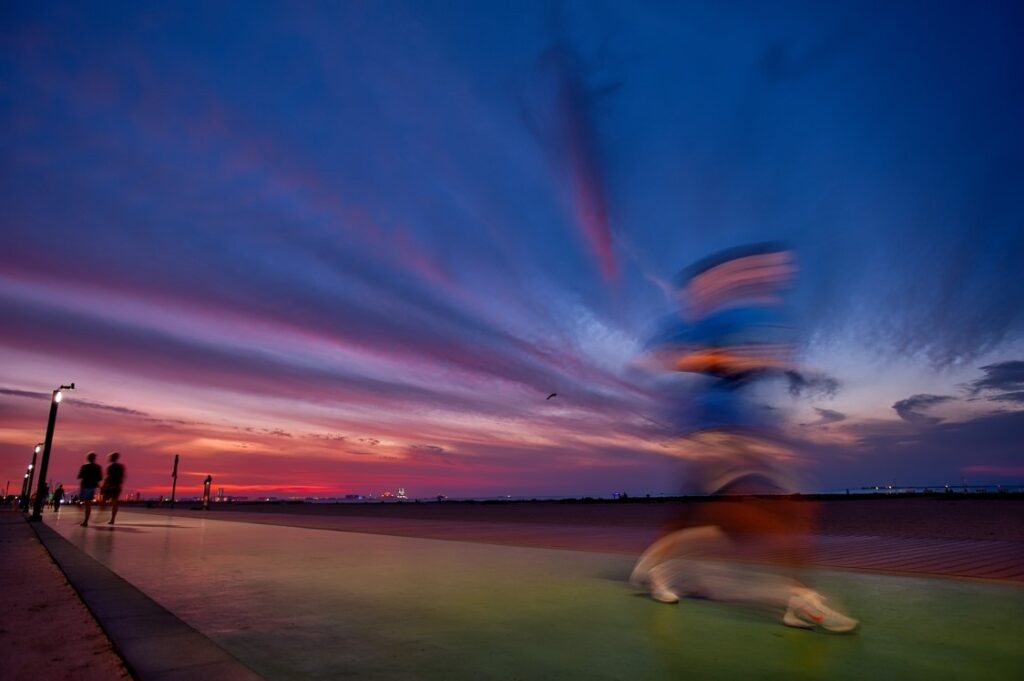
After camera movement in combination with shutter dragging, I learned quickly how vital Shutter is and how it adds feeling into the image when you allow the subject to move a bit. How shutter drag adds motion, drama, power of nature, and more into the image by merely romancing with it.

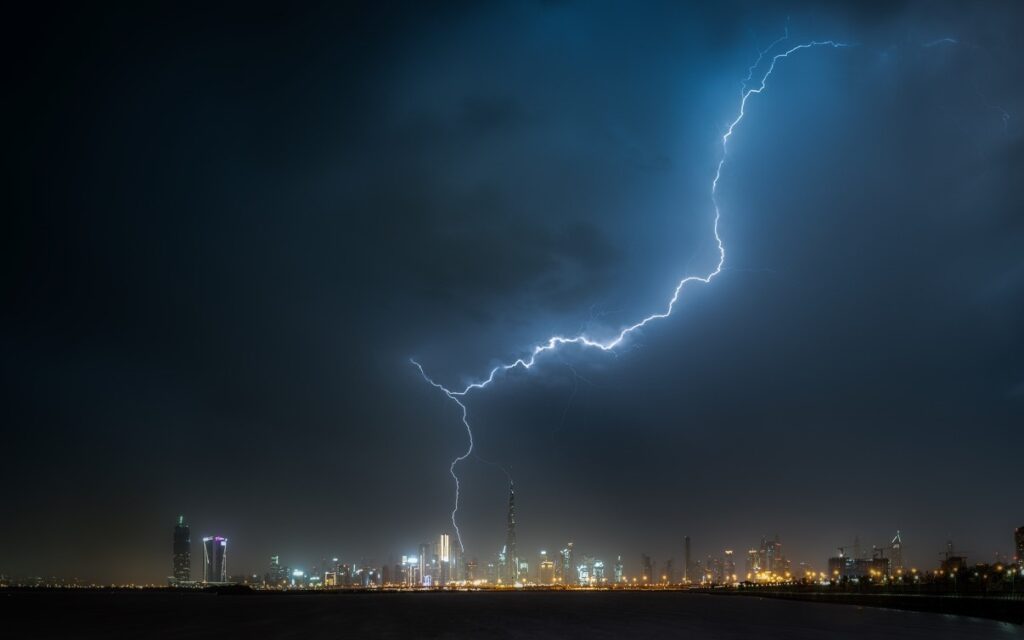

But shutter dragging is not the only thing using which you add stories into your image. When slowing down the Shutter add drama into the picture, the same thing happens when you increase the shutter speed and captures the brutality of nature like this….



Some times your romance with the Shutter in a way that you let the things come and go into the image and let their presence felt uniquely. Such things never present in the frame at all, yet you make people believe that someone was there ….. only by romancing with Shutter. BTW, these below examples are not shuttered dragging at all.
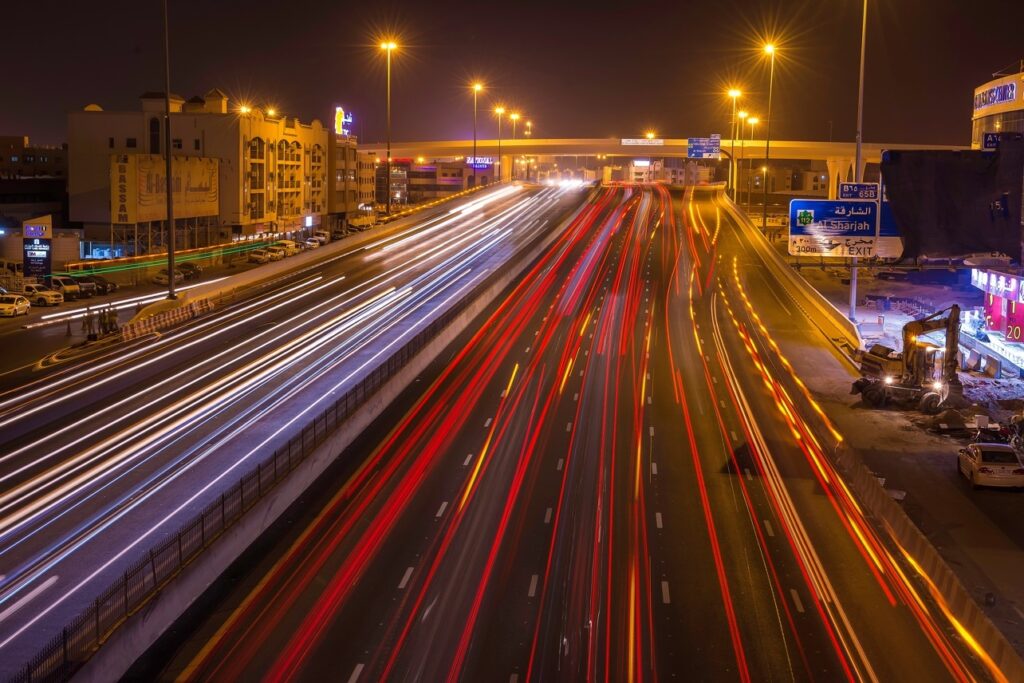
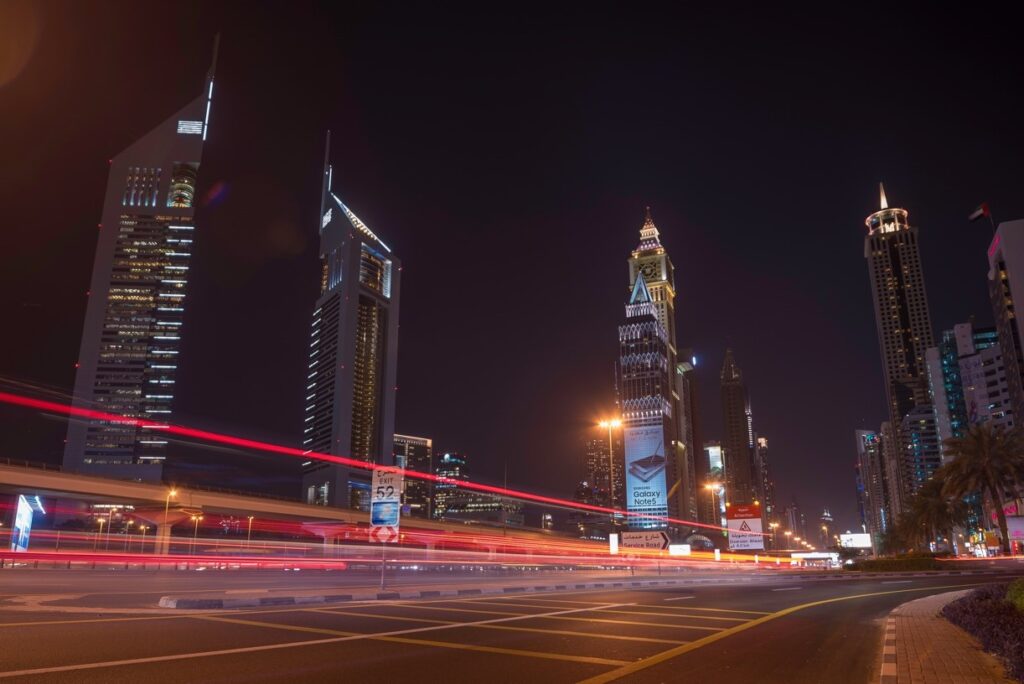

Some times you romance with a shutter to express your feelings of happiness and joy …. Like this. This is a time when you open up the Shutter for litter longer than usual.


Some times shutter speed helps you to create drama into the frame in a unique way. Like in the next two images below, I captured the human motion using the shutter dragging technique (just like Joe McNally) in such a way that it translates the human presence in a much broader way than actually, they are in real into the frame. Only by slowing down the shutter speed, I am stretching time and trying to fit that limited human movement into the image, which going to last forever.
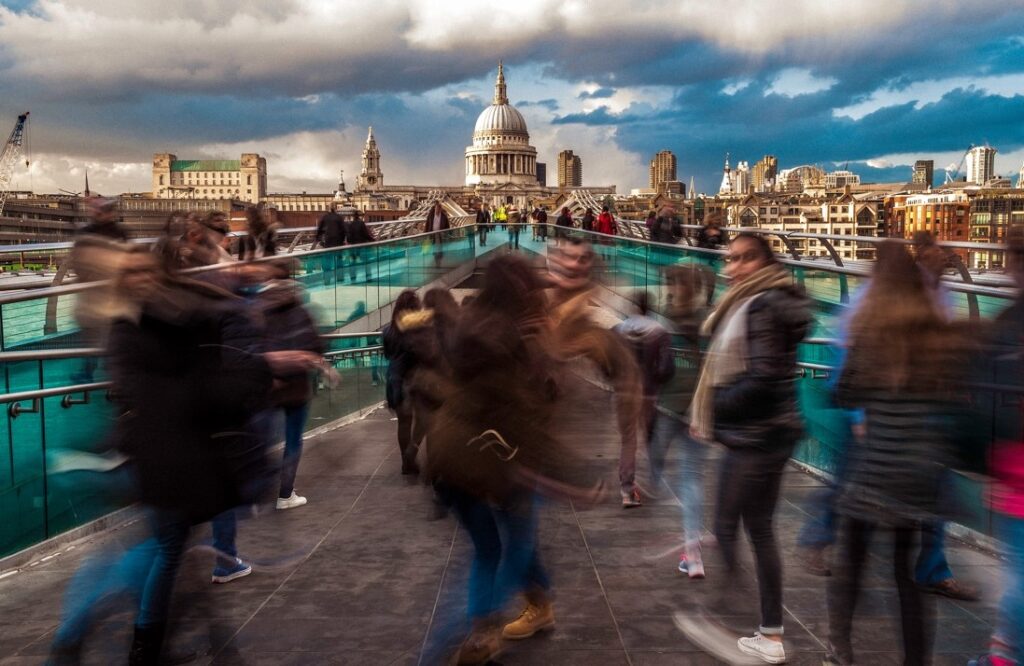
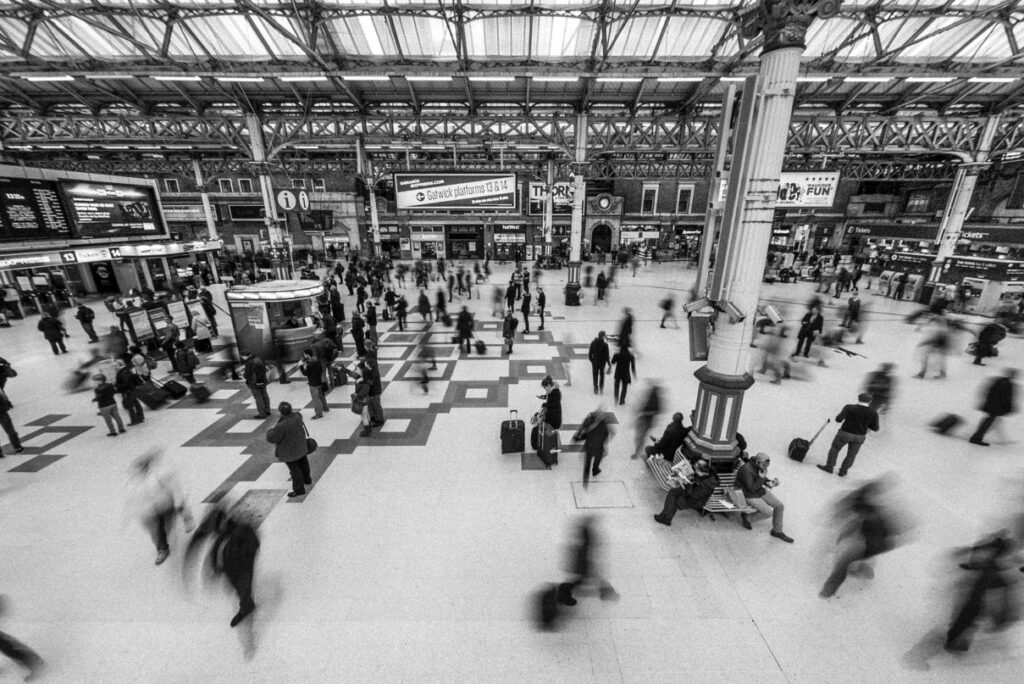
So far, I have shown you slow and fast shutter speed examples and their effect on the image of how emotionally they going to impact on us. But what about average shutter speed which is like somewhere from 1/50 ~ 1/250 …. Or less than 1/1000?
Specific actions are happening around us, which requires top most Shutter to be open rather than its speed. Opening the Shutter on the RIGHT TIME is the critical thing to capture the iconic moment rather than its speed because in the real world, things happening so fast that if we as a photographer are vigilant and looking around always, for sure, we going to miss the frame which we probably not going to capture again. Like some of the examples, I am going show you below where the TIMING of the shutter opening is most important than its speed.

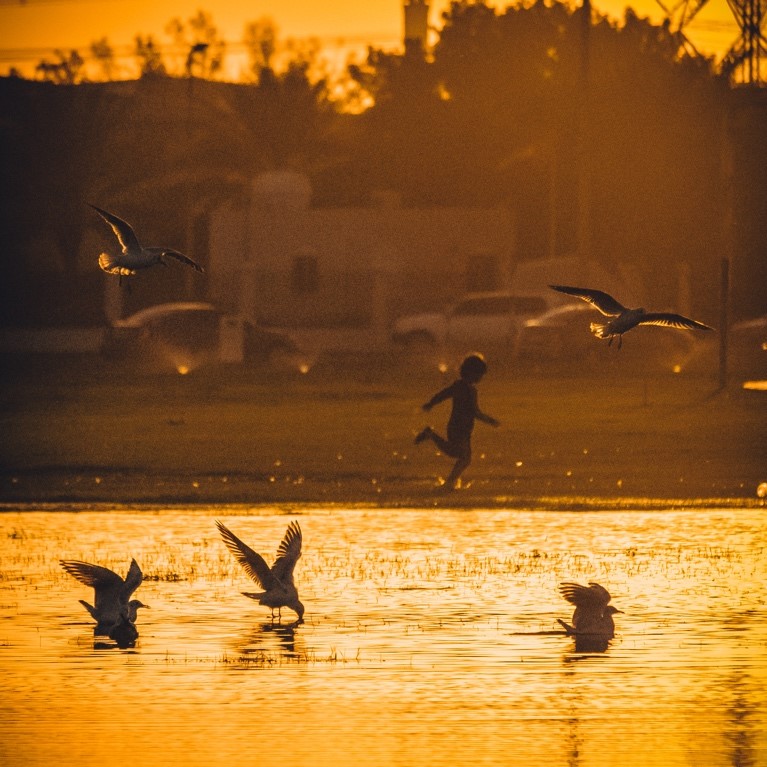
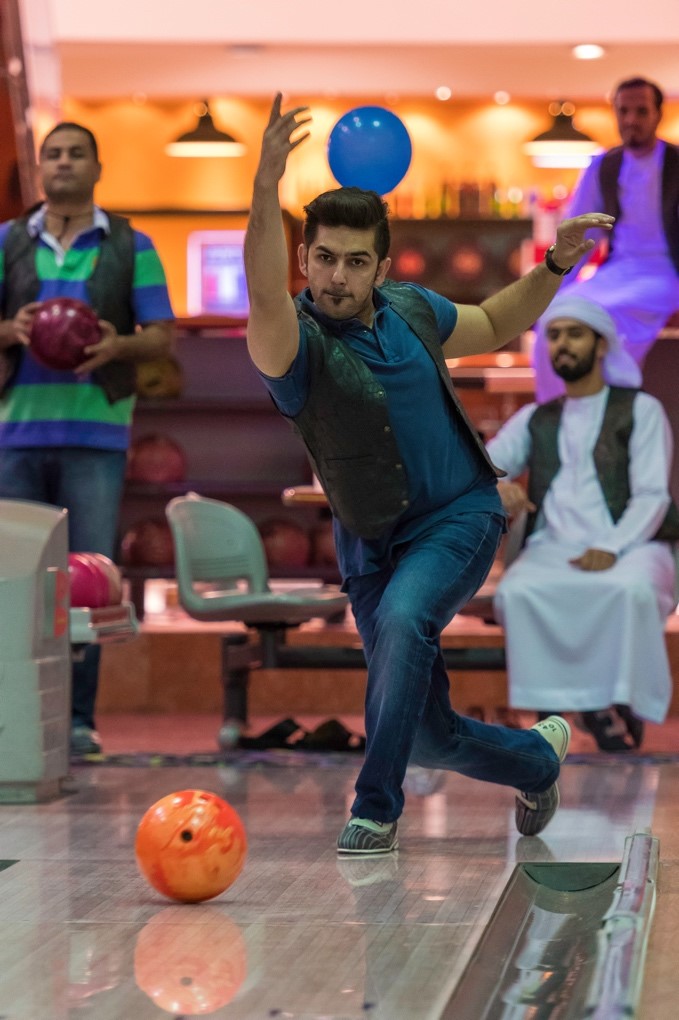
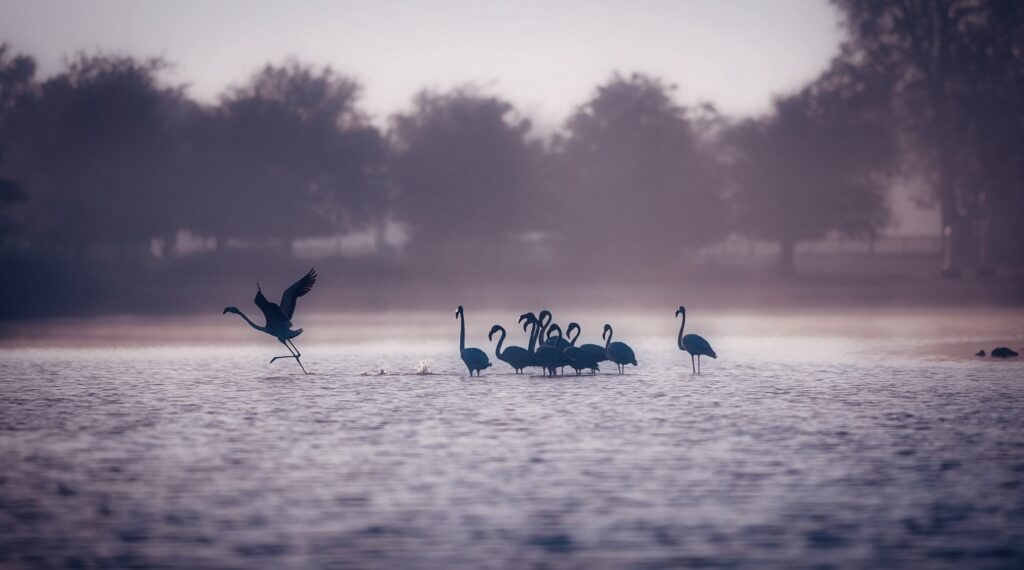
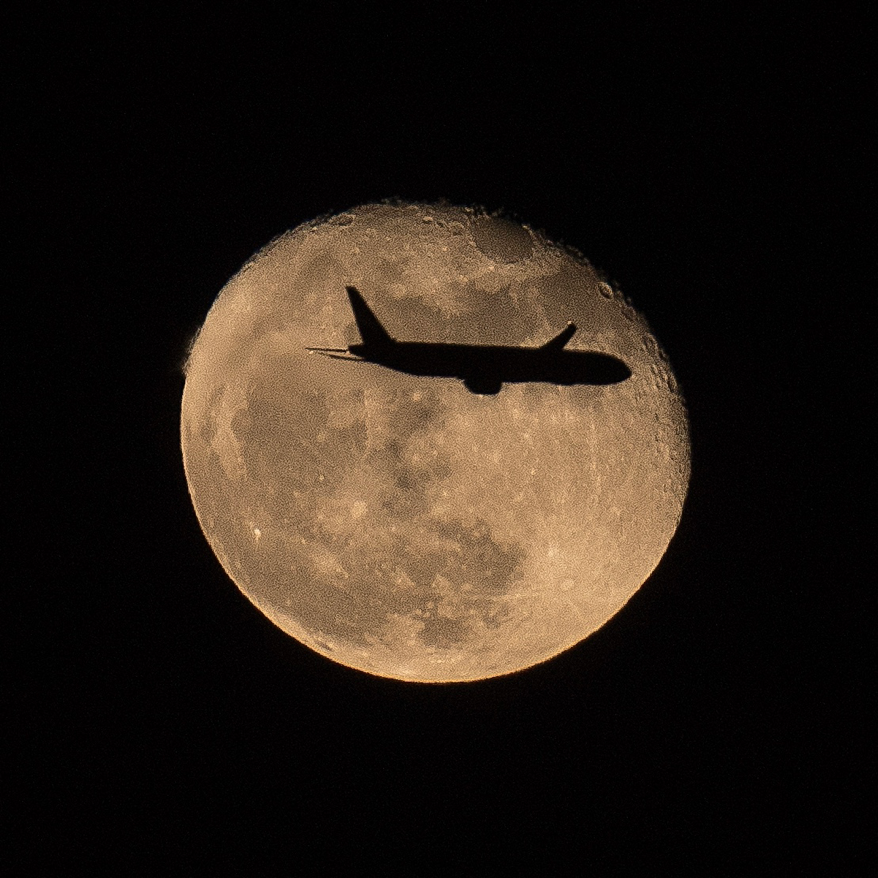
After romancing with shutter speed many times in many ways, I can say that you really need to understand the shutter speed deeply and its effect over your photography carrier. You need to make sure that when you are going to press the shutter release button on the camera and calling shutter speed its services, you must be ready to handle the end result rather than blaming it. The Shutter will obey all your commands and will always love you back the way you ask. Some times I feel shutter speed is totally irrelevant based on the action I captured. And sometimes, I can’t get enough from it and want more and more time from Shutter without calling any cable release button, which is a minimal feature, and not many cameras can support this.
I hope you find this new dimension of information helpful. Stay tune at VUE for more such content.
