

I am on holiday, so I thought it is the best time to do the comparison of some lenses and share the results with you all. First I thought to start with some standard lenses but then I realized, it’s going to be boring as many photographers mostly like to have, or own portrait lenses so I thought let’s start with the extreme end which you have not seen anything like this before which is comparing 200mm Prime lenses. In this comparison, I used 4 primes and one standard 70-200mm f/2.8 zoom lens to see how good zoom can be in this showdown.
The lenses I put on the test are the following,
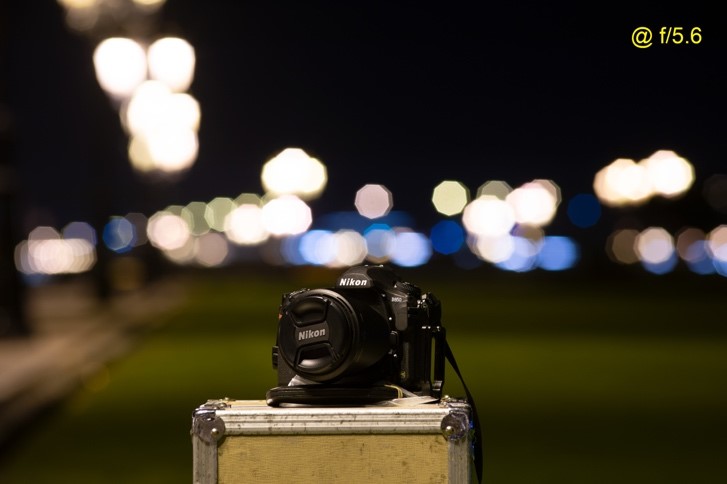
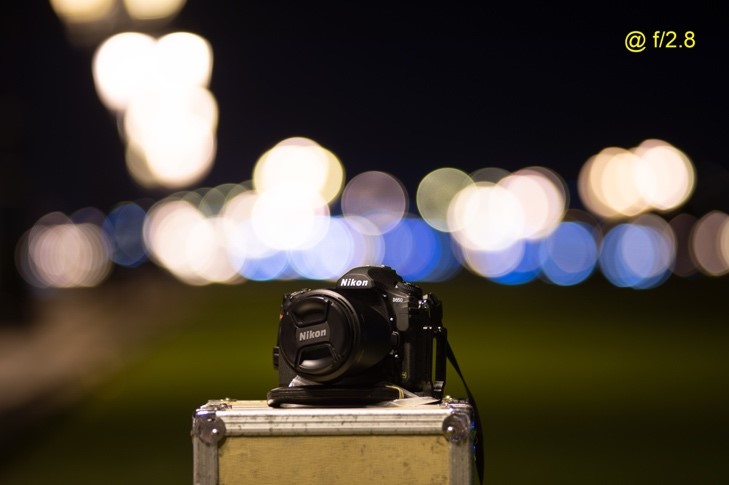
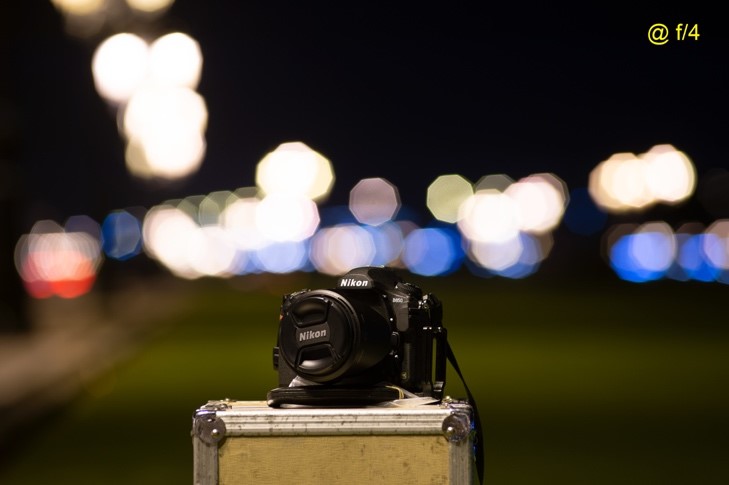
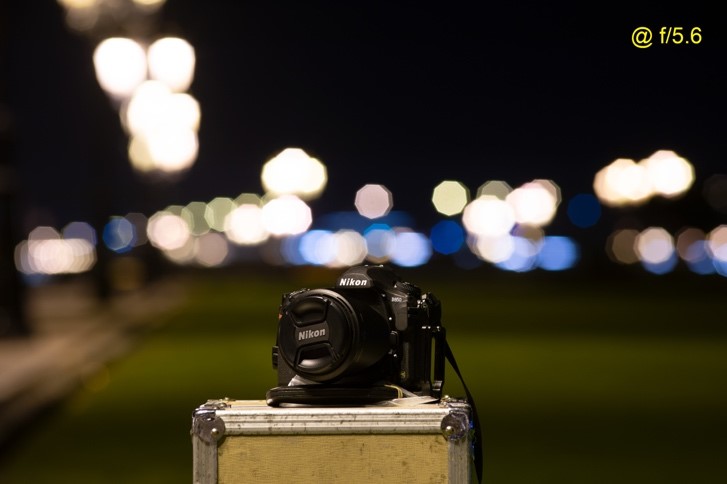
- Nikon 180mm f/2.8D
- Nikon 200mm f/2G ED VR II (The biggest, heaviest and most expensive in the list)
- Nikon 80-200mm f/2.8D
- Nikon 200mm f/4 AI-S
- Meyer Optik Gorlitz 200mm f/4 M42 screw mount
Now, most of you people will jump and say …. Hay … This is not a fair comparison as you are mixing f/2’s with f/2.8 & f/4. Also, we all know that zoom never performs that good like Prime lenses (this is why Prime lenses exist). Well to be honest, the concerns are valid. But I have something in return to say …
- All these lenses should be equal in performance from f/4 ~ f/22 as aperture and focal length is equal (except for 180/2.8D).
- The comparison will show how good new glass vs old glass can be.
- How Chromatic Aberration helps in creating 3D images which most people think is bad for photos. CA found most in old lenses.
- To check and validate my idea that old lenses render the best.
- Last but not least, to support the idea, it’s not necessary that the most expensive equipment can deliver the best results.
Now, I have compared all of them in a very detail way and shot them from their respective maximum aperture to the narrowest one. All shots were taken on Nikon D4 with Auto White Balance, Manual mode, with shutter actuation delay of 2 seconds to reduce any kind of vibration, on Tripod with minimum height to reduce the chances of any further shutter shack. Below are the summary and conclusion after I was done shooting them all.
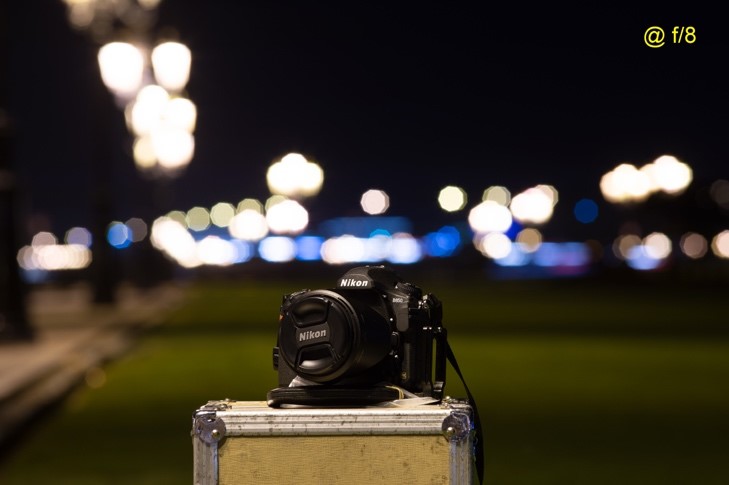
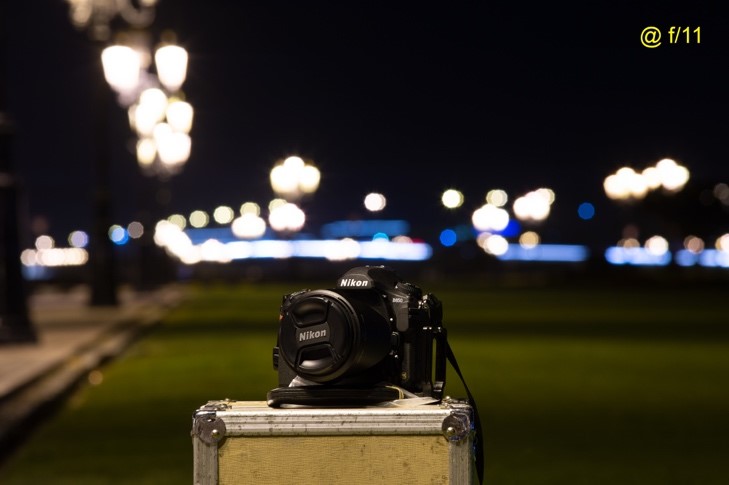
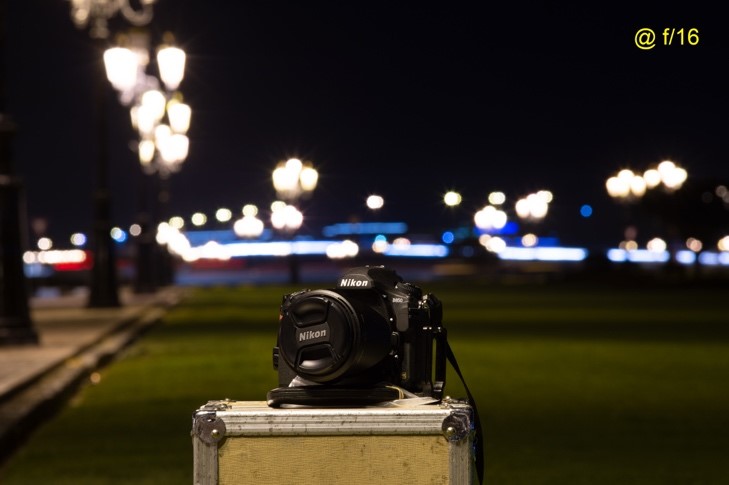
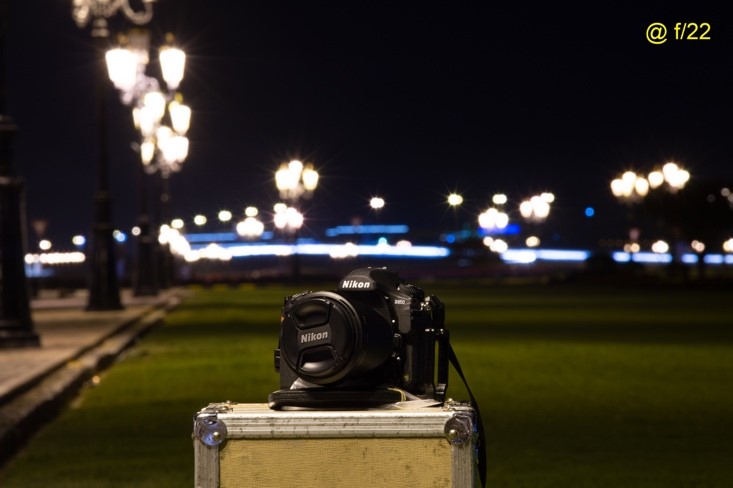
Nikon 180mm f/2.8D ED
| File # | ISO | Aperture | Shutter Speed | Observation |
|---|---|---|---|---|
| 16570 | 100 | 2.8 | 1/8 | little underexpose |
| 16571 | 100 | 4 | 1/5 | OK Image |
| 16572 | 100 | 5.6 | 0.4 sec | Sharpest at f/5.6 |
| 16573 | 100 | 8 | 0.8 sec | OK Image |
| 16574 | 100 | 11 | 1.6 sec | OK Image |
| 16575 | 100 | 16 | 3.0 secs | Images started getting soft |
| 16576 | 100 | 22 | 6.0 secs | 02nd best image rendition at f/22 in the whole lot. |
Pros: Best creamiest Bokeh. Best rounded Bokeh. Micro contrast is the best. The best 3D effect in the image. Able to transmit more light. All Metal body
Cons: Not able to get focus on entry-level Nikon bodies.
Nikon 200mm f/2G ED VR II
| File # | ISO | Aperture | Shutter Speed | Status |
|---|---|---|---|---|
| 16580 | 100 | 2 | 1/20 | OK Image |
| 100 | 2.8 | 2.8 | 1/10 | OK Image |
| 16582 | 100 | 4 | 1/5 | Second best sharpness at f/4 |
| 16583 | 100 | 5.6 | 1/2 | Sharpest at f/5.6 |
| 16584 | 100 | 8 | 1 sec | Diffraction starts destroying the sharpness |
| 16585 | 100 | 11 | 2 secs | Diffraction increased |
| 16586 | 100 | 16 | 4 secs | More Diffraction effect |
| 16587 | 100 | 22 | 8 secs | Massive Magenta Shift + Least sharp due to diffraction |
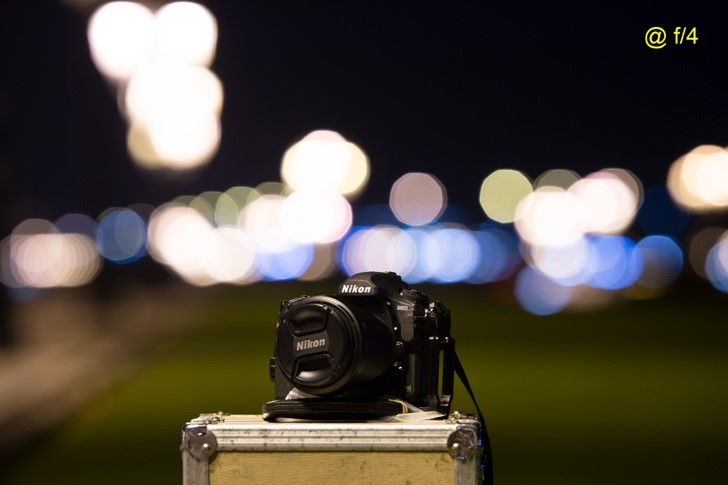
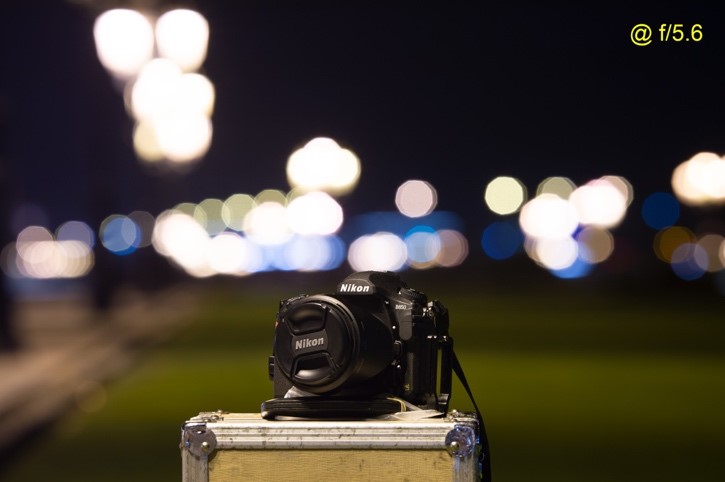
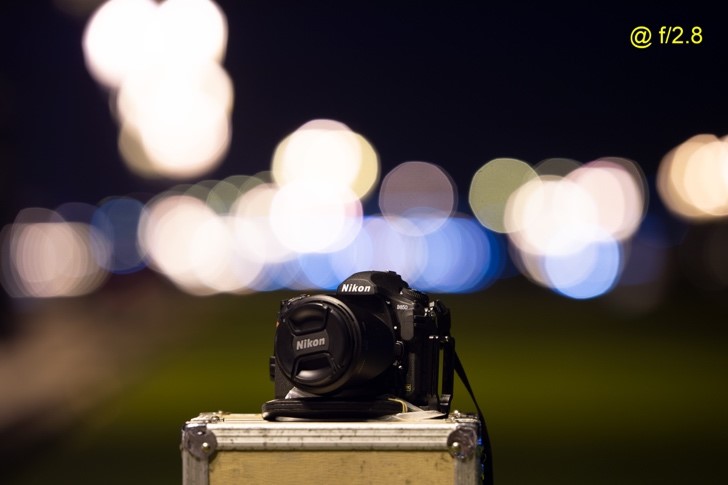
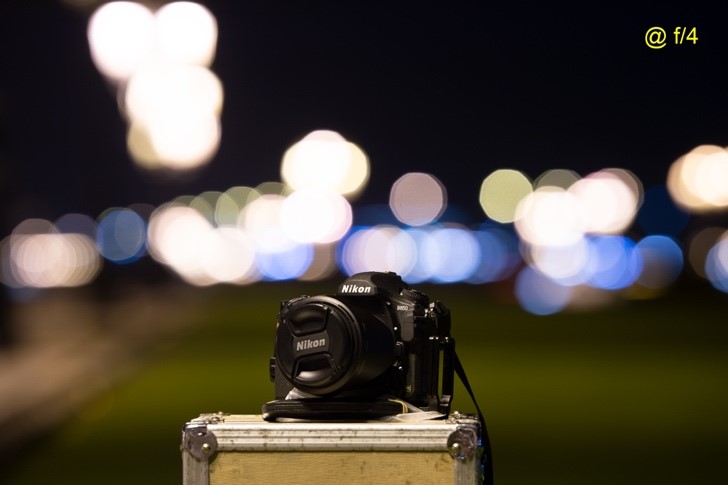
Pros: Subject separation at the best at f/2. Able to produce the sharpest result at 2 focal lengths (f/4 & f/5.6). Bokeh is the circular even at the frame edge.
Cons: Produces most dull images. Less saturated output.



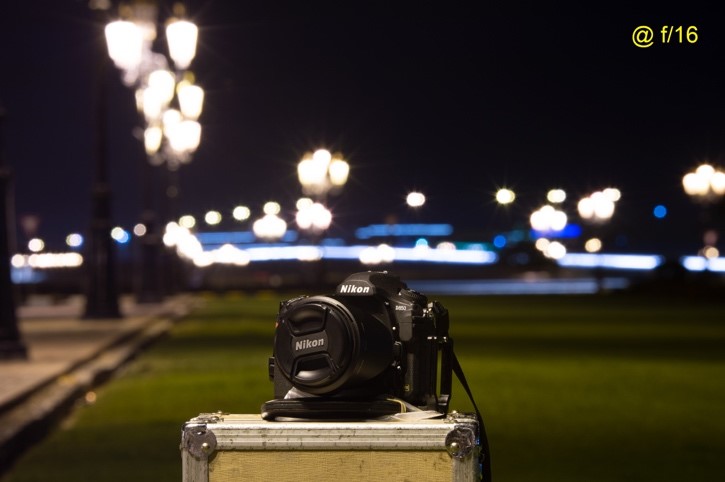

Nikon 80-200mm f/2.8D
| File # | ISO | Aperture | Shutter Speed | Status |
|---|---|---|---|---|
| 16592 | 100 | 2.8 | 1/8 | OK Image |
| 16593 | 100 | 4 | 1/4 | OK Image |
| 16594 | 100 | 5.6 | 0.5 sec | OK Image |
| 16595 | 100 | 8 | 1 sec | Sharpest at f/8 |
| 16596 | 100 | 11 | 2 secs | Diffraction starts effecting image |
| 16597 | 100 | 16 | 4 secs | Image comparatively underexpose which it shouldn't |
| 16598 | 100 | 22 | 8 secs | 03rd best image rendition at f/22 in the whole lot. |
Pros: Able to produce more Cats Eye Bokeh. Able to render a 3D effect at wider apertures.
Cons: Bokeh is kinda fuzzy with some grains in it
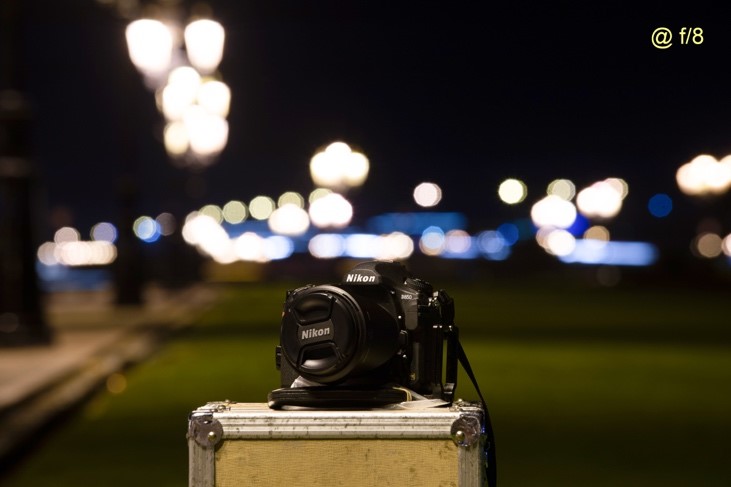
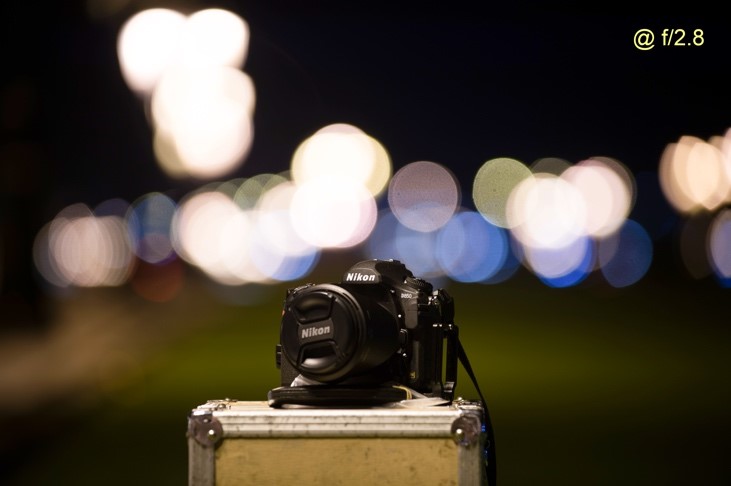
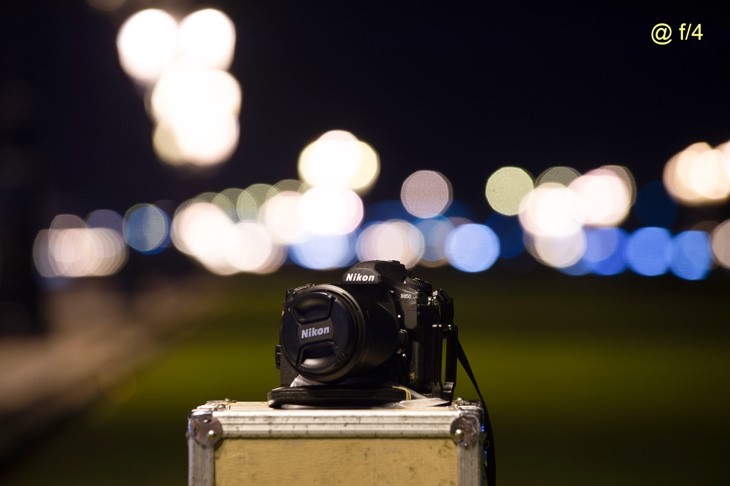
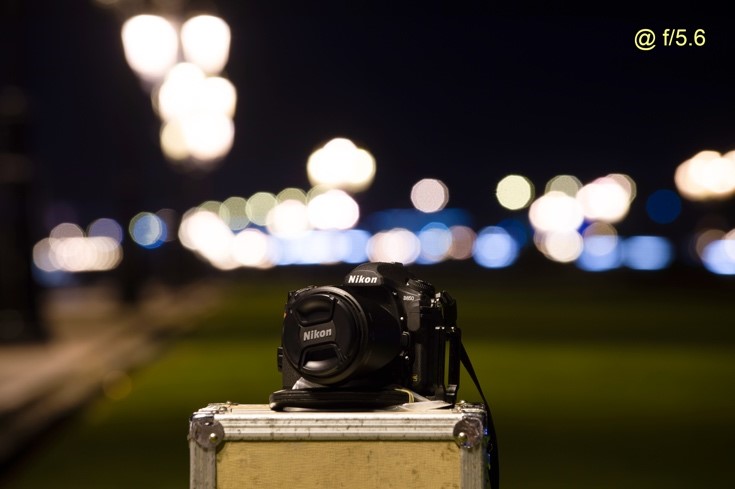
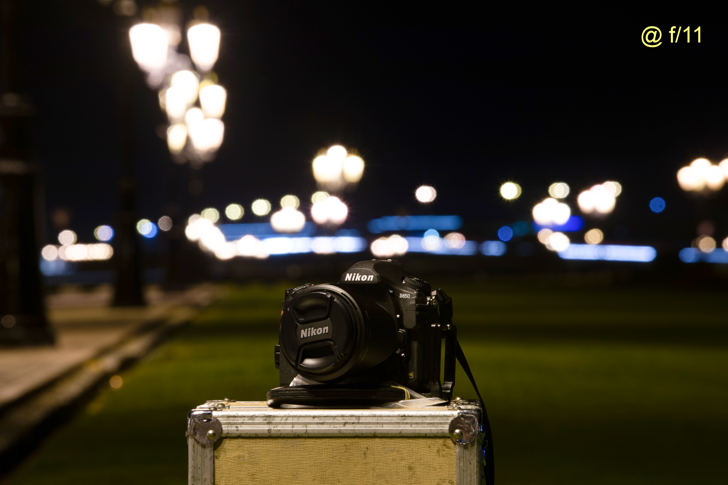
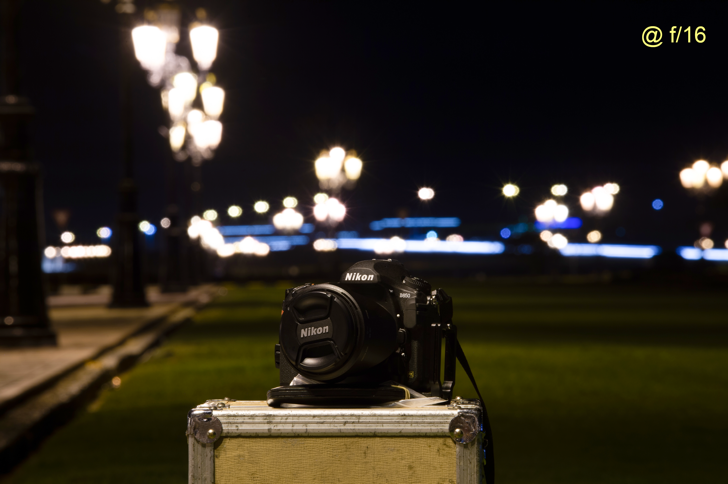
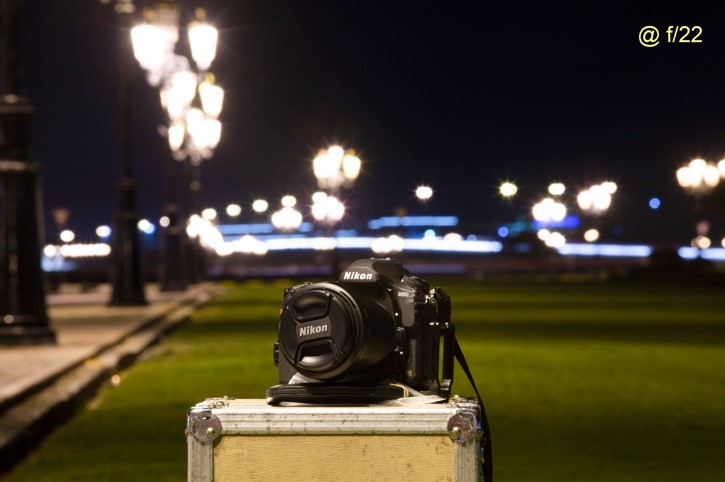
Nikon 200mm f/4 AI-S
| File # | ISO | Aperture | Shutter Speed | Status |
|---|---|---|---|---|
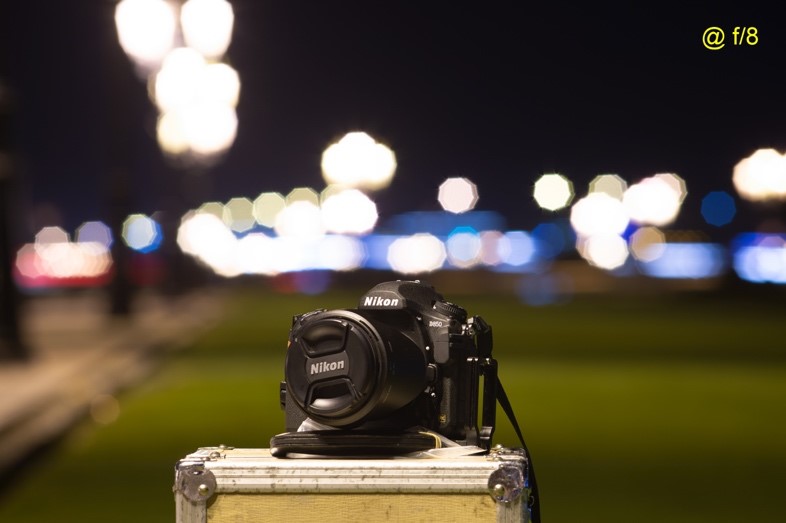
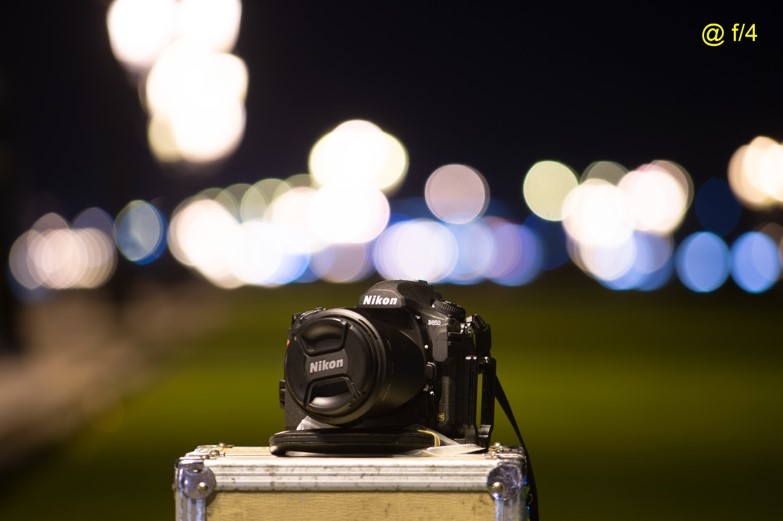
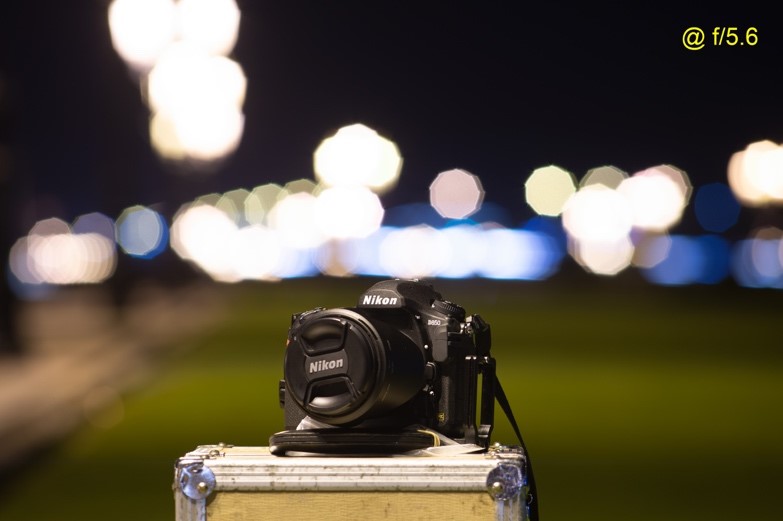
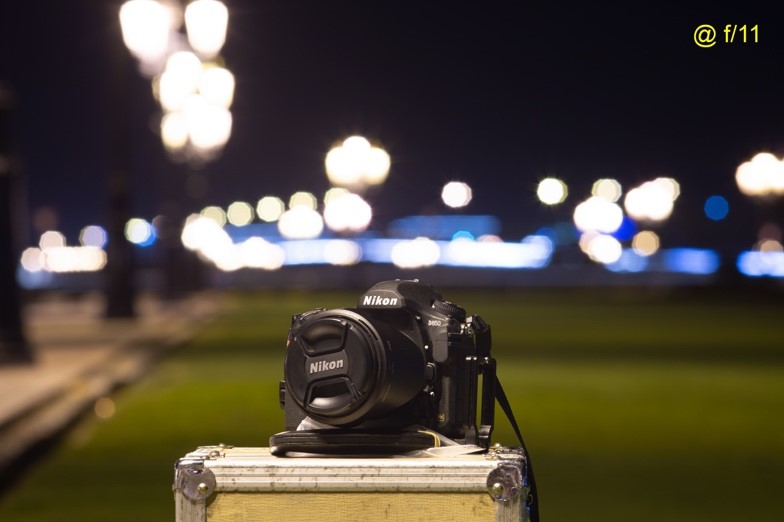
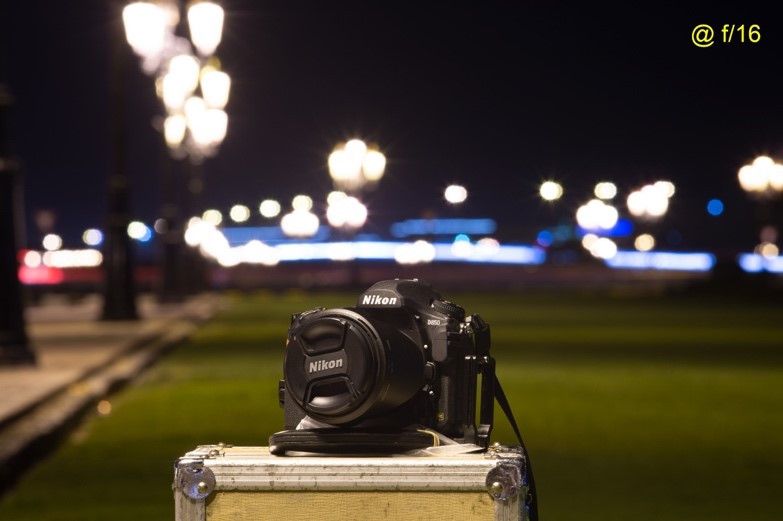
| 16622 | 100 | 4 | 0.4 sec | Heavy Vignette, Bokeh edges are without edges |
| 16621 | 100 | 5.6 | 0.8 sec | Bokeh got 9 edges making it look like the mechanical part |
| 16620 | 100 | 8 | 1.6 sec | Sharpest at f/8 |
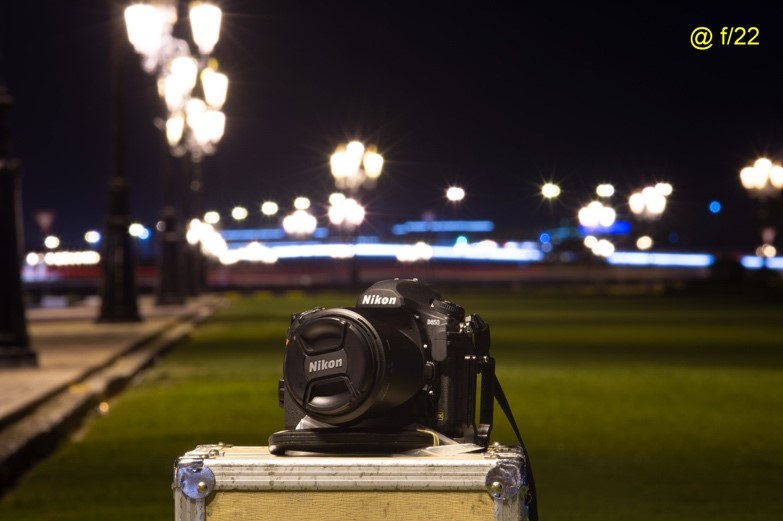
| 16619 | 100 | 11 | 3.0 secs | Magenta shift starts inducting |
| 16618 | 100 | 16 | 6.0 secs | Much better at f/16 in compared to other |
| 16617 | 100 | 22 | 13.0 secs | Least Sharp due to diffraction. Having an excessive magenta shift |
Pros: Most compact 200mm with the most descent creamy Bokeh. The Bokeh also get the blurry effect at its edges.
Cons: WB Magenta shift is observed from f/5.6 onwards aperture. Bokeh is Edgy from f/5.6 onwards (not circular)
Meyer Optik Gorlitz 200mm f/4
| File # | ISO | Aperture | Shutter Speed | Status |
|---|---|---|---|---|
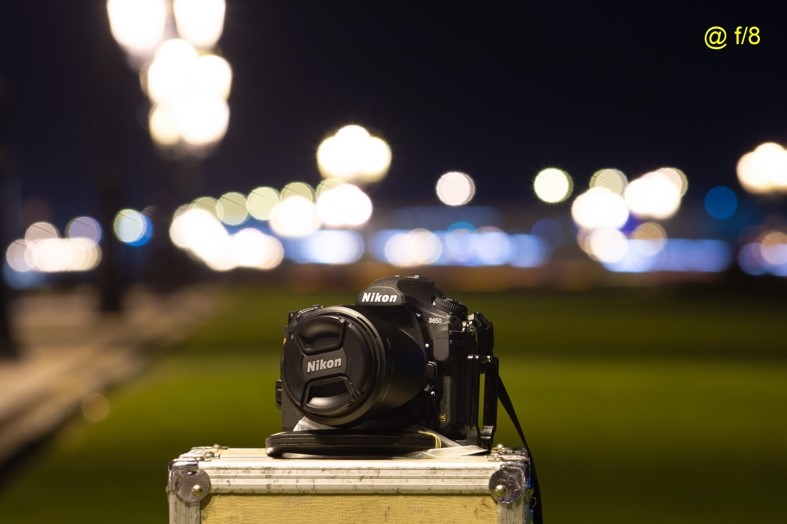
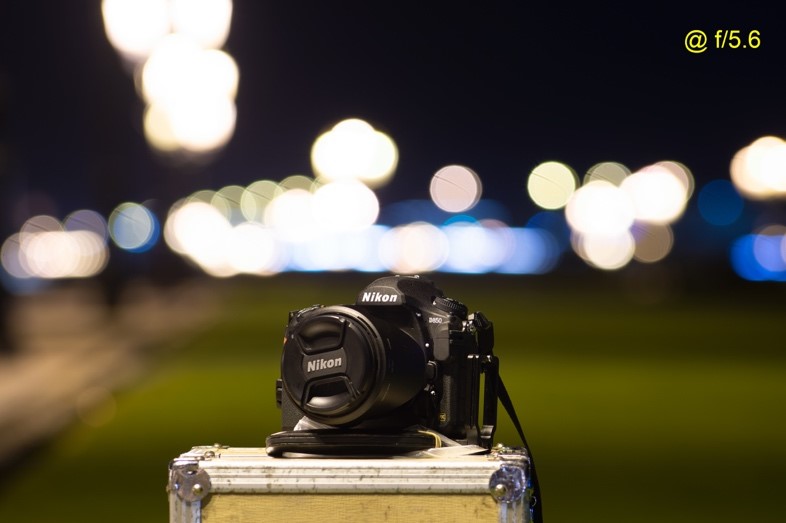
| 16642 | 100 | 4 | 0.5 sec | Best Bokeh in the whole series at f/4 |
| 16643 | 100 | 5.6 | 1.0 sec | OK Image |
| 16644 | 100 | 8 | 2.0 secs | Sharpest at f/8 |
| 16645 | 100 | 11 | 4.0 secs | Makes 15 arms star in Bokeh |
| 16647 | 100 | 22 | 20 secs | The best image rendition at f/22 in the whole lot |
Pros: Class-leading 3D rendition. Best image rendition at f/4 & f/22 in the whole comparison. Bokeh looks like it’s melted literally
Cons: Massive chromatic aberration across all aperture. Its M42 screw drive mount lens which means you won’t be getting infinity focus


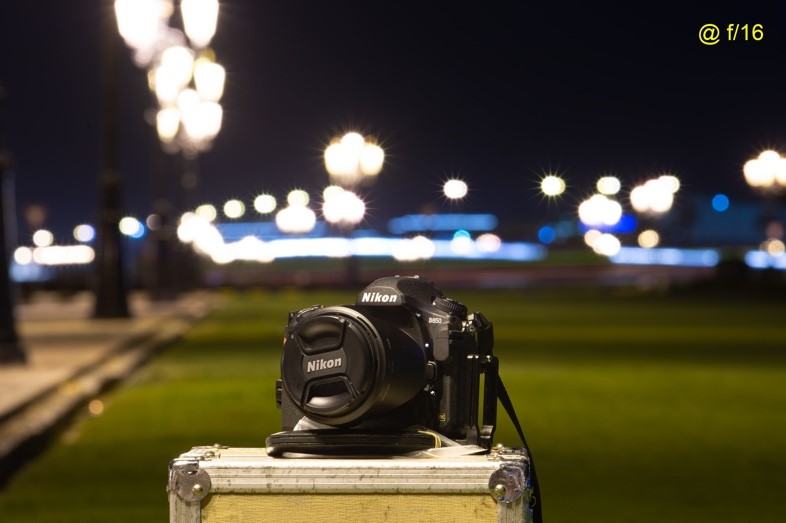
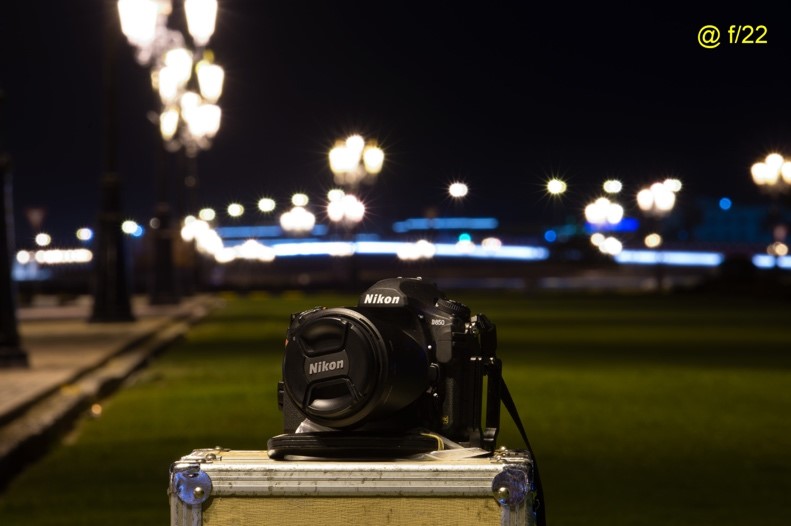
Conclusion:
- Each lens exhibits own set of characteristics.
- All lenses are generally sharp around f/5.6 ~ f/8.
- Some lenses Bokeh at the edges are Cats eye, very few got circular Bokeh across the frame.
- Those lenses which contain massive chromatic aberration, have the ability to render images in 3D (like Nikon 180/2.8D, Meyer Optik Gorlitz 200/4).
- The real character of the lens was observed at f/22 where the most expensive lens renders the worst and cheapest renders the best.
- Meyer Optik Gorlitz 200mm f/4 produces the biggest Bokeh in reference.
- The best image output and Bokeh is not from the most expensive lens from the list.
All 5 lenses at f/4

